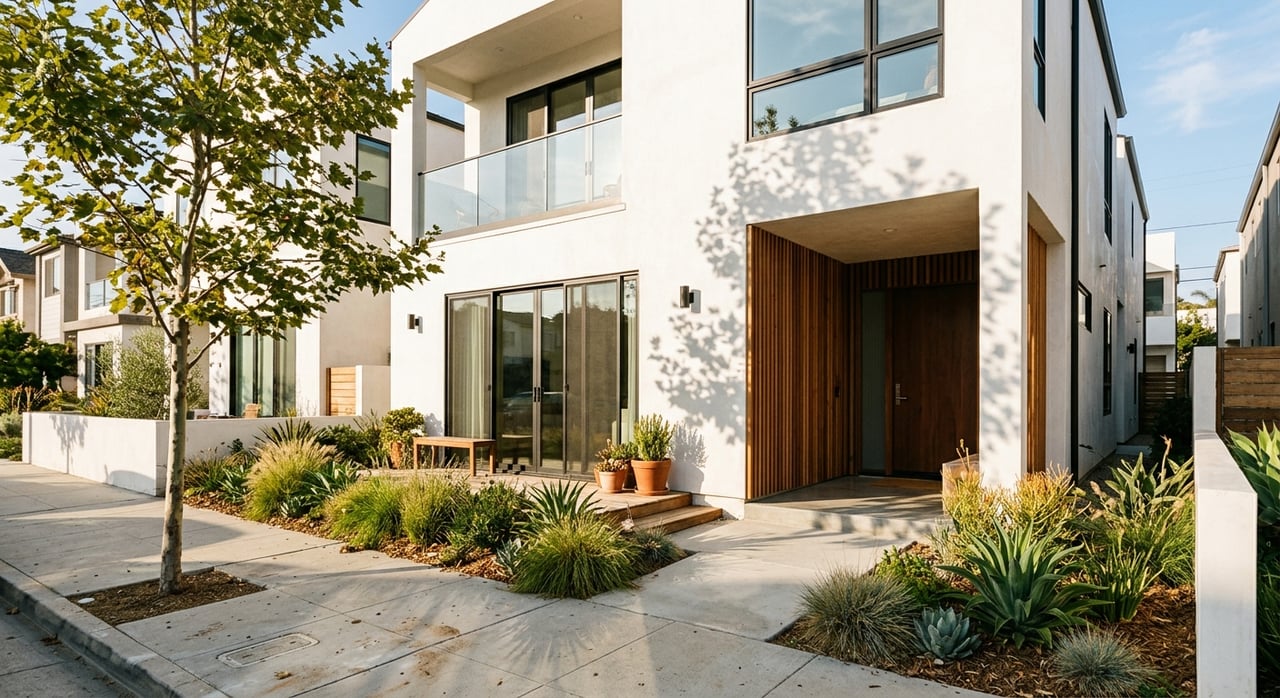
If you love the idea of living near the coast without needing to drive for every coffee run, dinner plan, or weekend outing, Long Beach can be a smart fit. The key is knowing that not every part of the city works the same way, and some neighborhoods make a car-light lifestyle much easier than others. In this guide, you’ll see where car-light living works best, how people actually get around, and what kinds of homes and price points to expect. Let’s dive in.
Long Beach is better described as car-light than fully car-free. The most manageable day-to-day experience is concentrated in a few downtown and coastal districts where housing, dining, errands, and transit are closer together.
Downtown Long Beach is the strongest overall hub for this lifestyle. The city’s Downtown Plan area has produced more than 5,000 approved housing units, and downtown is framed as a place where urban living meets the waterfront with options to get around by car, public transit, bike, or foot.
Belmont Shore is another standout if you want a walkable coastal routine. Its 2nd Street corridor is a 14-block business district with restaurants, shops, salons, and services, which makes short errands and casual outings easier without getting in the car.
If transit access is high on your list, downtown usually offers the easiest setup. Areas around the Waterfront, Pine Avenue, The Promenade, and East Village give you the highest concentration of apartments, condos, restaurants, and regional connections.
These parts of Long Beach tend to appeal to people who want a more urban rhythm. You can often combine walking for nearby errands, transit for commuting, and biking for beach or downtown trips.
Belmont Shore is one of the clearest examples of beach-adjacent, walkable living in Long Beach. Along 2nd Street, you have a dense mix of local businesses and services, plus access to a free shuttle and bike-share.
Nearby areas like Alamitos Beach, Bluff Heights, Bluff Park, and Belmont Heights can also support a lighter-driving lifestyle. These neighborhoods are generally more residential, with older housing stock and good access to the beach path and downtown, but they may not feel as compact or transit-centered as downtown.
Rose Park can be a practical middle-ground choice if you want to stay near downtown without paying top coastal premiums. The city describes it as a large historic district with Craftsman bungalows and some multi-family housing.
That mix can make it appealing if you want older housing character and a location that still keeps you connected to more walkable parts of the city. It may not deliver the same plug-and-play convenience as downtown or Belmont Shore, but it can still work well for a car-light routine.
The main transit anchor for car-light living in Long Beach is downtown. Long Beach Transit says the First Street Transit Gallery is the focal point for local, sub-regional, and regional transit, with connections to a majority of Long Beach Transit routes, the Metro A Line, and other regional bus lines.
That matters because it gives you a central transfer point for getting around the city and beyond. Metro’s A Line currently runs between Long Beach and Pomona, which adds another layer of connectivity for residents who want to reduce daily driving.
Long Beach Airport is also reachable by transit. The airport lists Long Beach Transit routes 102, 104, 111, and 405, and identifies Wardlow Station on the A Line as the nearest Metro rail station.
One of the strongest signs that Long Beach supports short trips without a car is the LB Circuit. The city says this free service runs Thursday and Friday from 4 p.m. to 10 p.m., Saturday from noon to 10 p.m., and Sunday from noon to 8 p.m.
The service covers expanded downtown areas plus Bluff Heights, Bluff Park, and parts of Belmont Heights. The city also describes it as a first-last mile connection between transit hubs and final destinations, which is especially useful when your trip is just a little too far to walk comfortably.
Belmont Shore has its own free shuttle as well. For residents in that shoreline district, it adds another practical option for quick local trips.
If you want to live car-light in Long Beach, biking and walking are not side benefits. They are a major part of how the lifestyle works.
The city says Long Beach Bike Share operates citywide with more than 700 bikes at more than 100 stations. It also offers a Bike Share For All program with a $5 annual rate for eligible residents, students, and workers.
Long Beach also has extensive bike infrastructure. According to the city, there are more than 150 miles of bike paths, separated lanes, bike boulevards, and related infrastructure.
The Shoreline Pedestrian/Bicycle Path is one of the most useful features for residents who want to get around with less driving. The city says this paved beach trail runs 3.1 miles from Alamitos Avenue to 54th Place.
Long Beach also has four other major Class I paths totaling more than 60 miles. In real daily life, that often means you can walk for nearby errands, bike for beach-to-downtown trips, and use transit or shuttle service for longer distances.
One reason Long Beach appeals to a wide range of buyers is that its car-light neighborhoods are not all the same. Downtown includes a mix of historic and newer housing, along with a range of apartment and condominium buildings.
In the coastal historic districts, the housing stock changes quite a bit. The city’s preservation materials show that Belmont Heights is dominated by Craftsman bungalows, Bluff Heights is largely Craftsman with some Victorian homes, and Bluff Park includes large two-story Craftsman bungalows and Period Revival homes.
That means your housing choice often shapes your version of car-light living. A downtown condo may offer easier transit access and a more urban feel, while a coastal historic home may offer charm and beach access but a more residential rhythm.
Prices in Long Beach’s more walkable neighborhoods can vary widely, so it helps to think in ranges rather than one citywide number. Long Beach as a whole had a median sale price of about $905K in March 2026, but several car-light areas fall both below and above that mark depending on housing type.
Here is a directional price ladder based on recent median sale figures:
These numbers are best used as a snapshot, not a promise of current pricing for any specific property. Still, they show an important pattern: some of the most walkable urban and coastal districts sit below the city median because of condos and smaller homes, while beach-close single-family areas can climb well above it.
For most people, car-light living in Long Beach means driving less, not never driving. You may be able to walk to dinner, bike along the shoreline, catch transit downtown, or use a shuttle for short local trips, but your experience will depend a lot on exactly where you live.
Parking is part of that reality. The city posts timed parking in active commercial areas like Downtown, the Pike, 2nd Street in Belmont Shore, and Retro Row, which suggests these corridors are designed more for turnover and access than abundant free parking.
That is one reason the lifestyle is easiest when your home is close to the places you use most. If groceries, dining, the beach path, and transit are nearby, Long Beach can feel much more convenient without relying on a car for every errand.
Car-light living tends to work best if you value convenience, routine, and location over extra parking or larger lot size. If you enjoy being able to step out for coffee, pick up a few essentials on foot, or bike to the beach, the right Long Beach neighborhood can support that well.
It can also be a good fit if you want to simplify your weekly routine. Downtown Long Beach and Belmont Shore offer the fullest package, while nearby historic coastal districts can give you a lighter-driving lifestyle with a different housing feel.
If you are comparing neighborhoods, it helps to look beyond the home itself. The real question is how easily the location supports the way you want to live day to day.
If you’re weighing a move in Long Beach or comparing coastal neighborhoods across the South Bay, working with a local advisor can help you match your lifestyle goals with the right block, price point, and property type. For thoughtful guidance and a practical, neighborhood-level perspective, connect with Gary Krill Jr..
Browse active listings in the area or contact us for off-market listings.
Have an expert help you find out what your home is really worth.
Gary has a true passion for the real estate business and prides himself on staying up to date on current market conditions, latest real estate trends, and innovation that can help him and his clients to be more successful when working together.