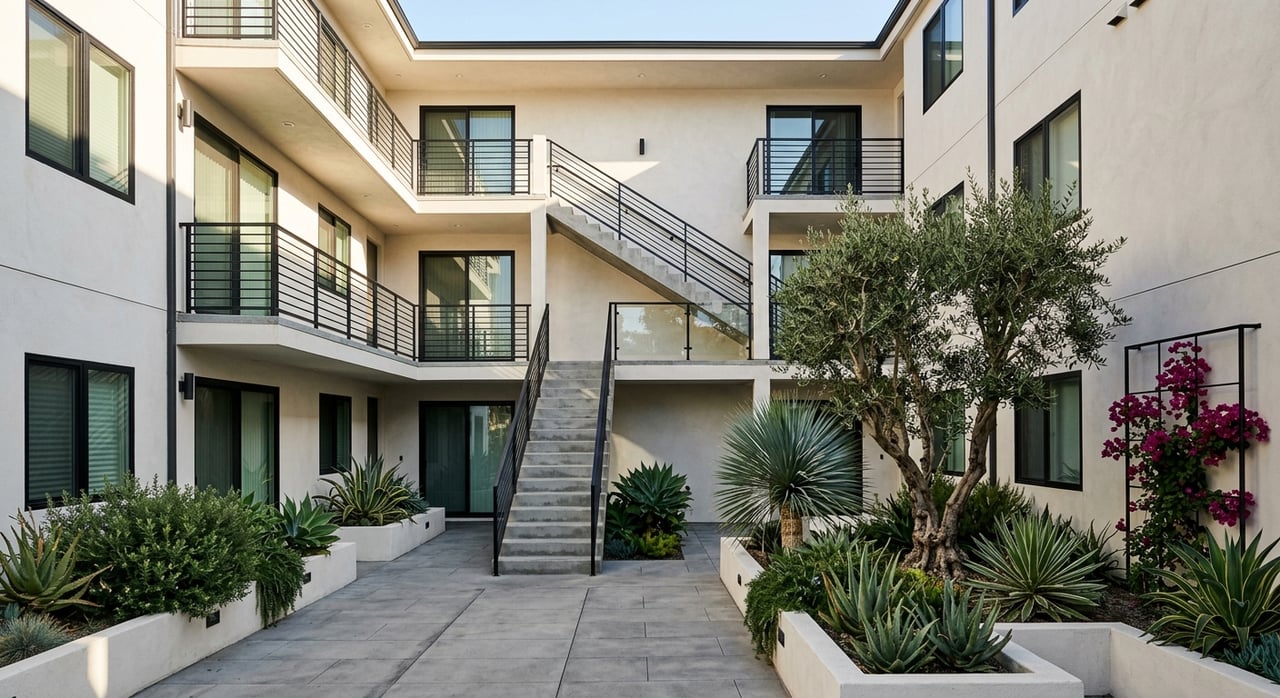
Wondering whether a condo or a townhome makes more sense in Long Beach? You are not alone. Many buyers assume the answer comes down to price, size, or style, but in this market, the legal setup, HOA rules, parking, and maintenance details can matter just as much. If you are comparing attached homes in Long Beach, this guide will help you sort through the labels, focus on what really affects ownership, and make a more confident decision. Let’s dive in.
In Long Beach, the biggest surprise for many buyers is this: a condo is a legal form of ownership, while a townhome is often just a style description. Under California rules, a condo refers to how ownership is structured in a common interest development. A townhome, on the other hand, may be built as a condominium project or as a planned development.
That means two homes can look nearly identical from the street and still come with different ownership rights, maintenance duties, and HOA responsibilities. If you are shopping in Long Beach, the listing label alone is not enough. You need to know what the deed, parcel map, condominium plan, CC&Rs, and HOA documents actually say.
A typical condo owner usually owns the interior living space as a separate interest, plus an undivided interest in the common area. In a planned development, the setup may look more like a standard subdivision, with the HOA owning or maintaining shared areas like private streets or other improvements.
For you as a buyer, this affects more than legal wording. It can shape what you are responsible for repairing, what the HOA maintains, and how future costs may show up. In practical terms, the real question is not whether a home is marketed as a townhome. The real question is what kind of ownership you are buying.
Before you choose between a condo and a townhome-style home, compare these documents carefully:
These records give you a clearer picture than the listing description ever will. They can tell you what you own, what you share, and what restrictions or costs may come with the property.
One of the biggest lifestyle differences between properties is maintenance. In California common interest developments, the association is generally responsible for common area repair, replacement, and maintenance. Owners are generally responsible for their separate interest and any exclusive-use common area, unless the governing documents say otherwise.
That is why you should never assume a townhome-style property means less HOA involvement or that a condo means the HOA covers everything outside your walls. The actual answer depends on the governing documents for that specific property. In Long Beach, that can vary a lot from one community to the next.
Monthly HOA dues are important, but the number alone does not tell the full story. A lower HOA payment may look attractive at first, but it could mean fewer services, less reserve funding, or more owner responsibility later.
When you compare options, ask:
California reserve planning guidance explains that associations need to plan for long-term replacement of major components such as roofs, exterior paint, and pavement. That makes reserve health a key part of your comparison, especially in older Long Beach communities.
The right fit also depends on where in Long Beach you want to live. Different areas tend to offer different types of attached housing, building ages, lot layouts, and parking realities.
Downtown Long Beach is one of the clearest examples. The city describes the Downtown Plan area as a dynamic setting with residences, offices, hotels, restaurants, marinas, parks, and beaches. The area has added more than 5,000 approved housing units over the last decade, and high-rise residential towers help define the downtown and waterfront condo market.
If you want a more urban lifestyle with access to dense mixed-use surroundings, a condo may line up naturally with what is available there. In these settings, shared amenities and HOA-managed exteriors may be part of the appeal.
The city’s Zone In rezoning effort identifies Alamitos Beach, Rose Park, Carroll Park, Bluff Heights, and Belmont Heights as part of a project area that includes existing multi-family housing. For buyers, that makes these neighborhoods especially useful when comparing older condo stock, compact attached communities, and infill housing.
In these areas, your decision may come down to details that are easy to overlook online. Storage, parking configuration, building age, and HOA condition can have a major effect on daily life and future costs.
Belmont Shore is another area where the condo versus townhome question gets very practical. The city describes it as almost fully built out, with a dense mix of single-family homes and low-profile multiple-unit structures. The same city planning documents also note that parking is a major problem there, and much of the housing stock dates back to the 1920s and 1930s.
If you are looking at attached housing in Belmont Shore, parking and storage deserve close attention. A charming layout or good location may not feel quite as convenient if parking is limited or exterior maintenance is more involved than expected.
Price is still part of the conversation, of course. A recent Long Beach market snapshot showed a citywide median sale price of $905,000 in March 2026. The same snapshot showed 277 condos for sale at a median listing price of $514,000, compared with 17 townhouses for sale at a median listing price of $829,000.
That suggests condos may offer a lower entry point for many buyers in Long Beach. But it is important to treat those numbers as a snapshot, not a rule. HOA dues, parking, condition, and location can quickly change the true monthly cost and overall value.
A lower-priced condo with higher dues or upcoming assessments may not feel cheaper over time. On the other hand, a higher-priced townhome-style property with a different maintenance setup may offer a layout or privacy level that better fits your goals.
When comparing properties, look at the full picture:
This side-by-side view can help you avoid focusing too much on the listing price alone.
For many buyers, condos often make sense when you want a lower entry point and less exterior upkeep, especially in downtown or coastal settings. They can also be a strong fit if you prefer HOA-managed common areas and are comfortable with shared walls and shared rules.
Townhome-style homes often appeal to buyers who want a more house-like layout or a greater sense of separation. But in Long Beach, you should still confirm whether that property is legally a condo or part of a planned development. The exterior design may suggest one lifestyle, while the legal documents may reveal a different set of responsibilities.
If you are torn between the two, start with these questions:
Those answers will usually tell you more than the words condo or townhome ever can.
No matter which option you prefer, your safest move is to verify the ownership structure and review the HOA documents before you get too attached to the listing. In Long Beach, that step is especially important because attached homes can vary widely by neighborhood, age, and project setup.
A careful review now can help you avoid surprises later. It can also give you a stronger sense of whether a home truly fits your budget, maintenance comfort level, and day-to-day lifestyle.
If you want help comparing attached homes in Long Beach or making sense of the fine print before you move forward, Gary Krill Jr. can help you look past the label and focus on what works best for your goals.
Browse active listings in the area or contact us for off-market listings.
Have an expert help you find out what your home is really worth.
Gary has a true passion for the real estate business and prides himself on staying up to date on current market conditions, latest real estate trends, and innovation that can help him and his clients to be more successful when working together.