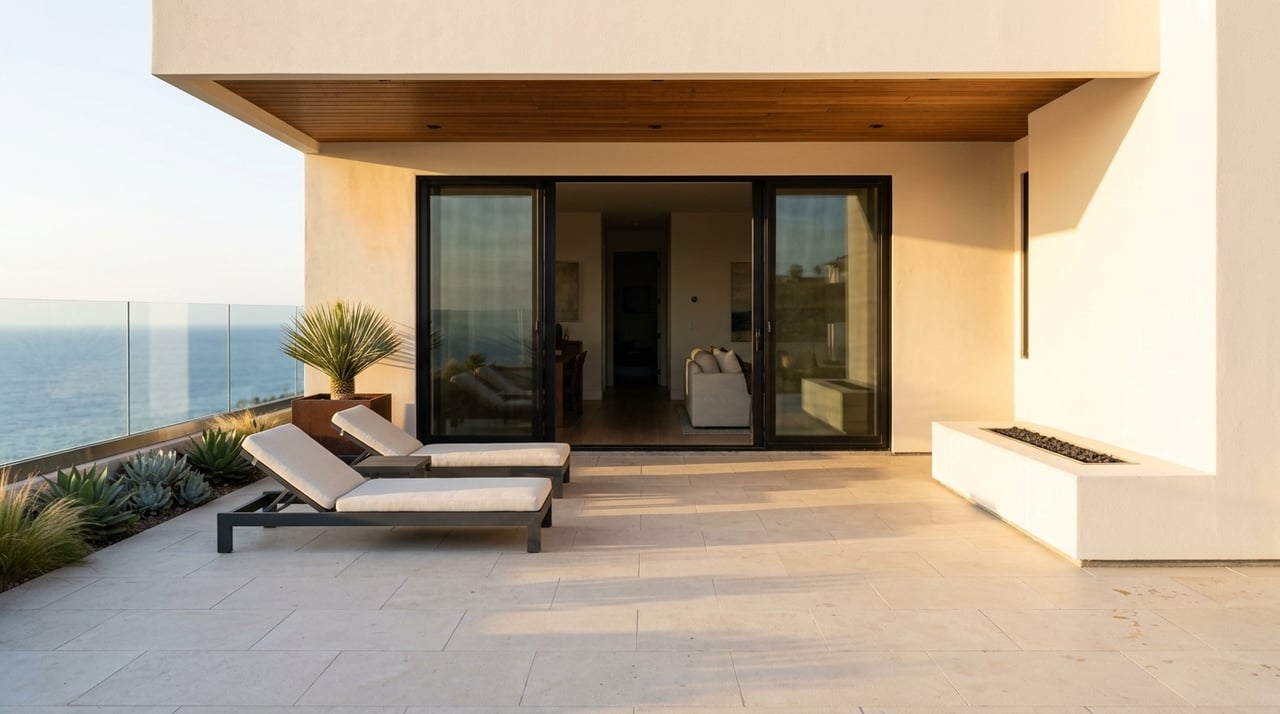
If you are thinking about a move to Rancho Palos Verdes, daily life here often comes down to three things: ocean views, hillside routines, and planning your drives. This is not a dense, main-street city where everything sits a few blocks away. Instead, Rancho Palos Verdes offers a coastal, open-space setting shaped by preserves, winding roads, and neighborhood areas with their own rhythm. If you want a clearer picture of what it actually feels like to live here, this guide will walk you through the coastline, errands, commutes, and home character that define everyday life. Let’s dive in.
Rancho Palos Verdes is best understood as a coastal, hill-oriented community. City materials consistently describe it through its open space, bluff views, and large preserve system rather than through an urban core.
That creates a very specific lifestyle. Your day may include scenic drives, trail access, and ocean outlooks, but it may also involve more car time and more attention to topography than you would expect in flatter suburban areas.
One of the biggest draws in Rancho Palos Verdes is how often the coast becomes part of your normal routine. The city highlights public access to beaches, trails, overlooks, and coastal parks, which means the shoreline is not just something you admire from a distance.
Abalone Cove Shoreline Park and Reserve is one of the clearest examples. According to the city, it includes two beaches, tide pools, bluff-top viewing areas, and trails, giving residents a close-up version of the Peninsula lifestyle many buyers picture when they start their home search.
Point Vicente is another everyday landmark. The Point Vicente Interpretive Center is open daily from 10 a.m. to 5 p.m., and the city notes that it serves as a whale-watching point during Pacific gray whale migration season, roughly from December through mid-May.
Rancho Palos Verdes also stands out because coastal access is intentionally supported. On the city’s Terranea page, public amenities include trails, park areas, coastal access points, a sandy beach, public parking, restrooms, and restaurant or snack-shop options for non-hotel guests.
Founders Park adds another public-facing coastal spot with picnic tables, a walking track, and ocean views. For many residents, that means weekend plans do not always need to be elaborate. A short drive can lead to a walk, a lookout, or a casual coastal stop.
Open space is a major part of life here, but it helps to know that access can require a little planning. The city says trail conditions can change from day to day and encourages visitors to check trail alerts before heading out.
Parking can also be part of the routine. Rancho Palos Verdes uses reservation-based parking for some Preserve areas, including certain trailhead parking on Crenshaw Boulevard south of Crest Road and Park Place through ParkMobile.
That does not make outdoor access difficult, but it does mean spontaneous hikes are not always as simple as pulling up and parking anywhere. If preserve access is a big part of your lifestyle, this is useful to understand early.
Rancho Palos Verdes does not revolve around a single downtown shopping district. Instead, everyday errands are concentrated in commercial nodes, with city materials identifying areas such as the Western Avenue Commercial Corridor and shopping centers including Golden Cove, Center, Town & Country, and The Terraces.
In practical terms, that means daily life often feels center-based rather than highly walkable. You are more likely to drive between grocery runs, coffee stops, fitness appointments, and other errands than you are to do them all on foot in one compact district.
The city’s planning materials also reflect a tenant mix built around day-to-day convenience. Grocery, coffee, fast-casual dining, fitness, and cinema uses appear in the broader Peninsula retail pattern, which supports a practical, car-oriented routine.
For in-city dining, Terranea is one of the clearest destination points in official city materials. Because the site combines restaurants and a snack shop with public coastal amenities, it can feel like both an outing and part of normal local life.
That coastal setting shapes the experience. In Rancho Palos Verdes, dining is often connected to views, open space, or destination-style stops rather than a busy restaurant row.
If you are moving from another part of Los Angeles County, the commute pattern here is important. The city’s circulation planning states that there are no freeways on the Peninsula itself.
Instead, commuters connect to the broader regional freeway system through nearby routes such as I-110, I-405, and SR-103. That means your first leg is typically on Peninsula roads before you reach larger regional connectors.
The city identifies major arterials including Crenshaw Boulevard north of Crest Road, Crest Road, Hawthorne Boulevard north of Palos Verdes Drive West, Highridge Road, Miraleste Drive and 9th Street, Palos Verdes Drive East, Palos Verdes Drive South, Palos Verdes Drive West, and Silver Spur.
For buyers, this matters because a home’s location within the city can affect how your daily drive feels. Two homes may both be in Rancho Palos Verdes, but their access patterns to work, shopping, or neighboring communities can be quite different.
Rancho Palos Verdes is fundamentally automobile-oriented, but there is local transit support. PV Transit operates seven weekday bus routes that connect residential areas with schools, libraries, commercial areas, and regional bus lines.
The service also includes dial-a-ride options for elderly and disabled residents and medical trips. For commuters looking toward nearby coastal hubs, Route 225 and 226 provide peak-hour service between Redondo Beach and San Pedro.
That said, most households will still experience Rancho Palos Verdes as a drive-first community. Transit can be helpful, but it is not likely to replace a car-centered routine for most daily needs.
Rancho Palos Verdes homes are shaped by more than style alone. City planning materials emphasize factors like topography, privacy, views, lot dimensions, setbacks, lot coverage, height, parking, grading, and silhouette review.
In plain terms, the lot itself often plays a major role in what a home looks like and how it functions. On the Peninsula, site constraints can influence a property almost as much as its architecture.
Official city documents reference a broad architectural vocabulary, including ranch-style and modern-ranch neighborhoods, along with styles such as Craftsman, French Country, Mission, and Arts & Crafts in compatibility review. That mix gives the city a more varied residential feel than a neighborhood made up of one repeating tract-home model.
For buyers, one of the most important practical details is that site-specific development rules matter here. The city’s planning handouts note special processes related to grading, extreme slopes, height variation, and landslide exclusion.
Current city landslide regulations also permanently prohibit new residential construction in designated landslide areas. That does not define every property in Rancho Palos Verdes, but it does show why due diligence can be especially important when you are evaluating hillside and view-oriented homes.
This is one reason local knowledge matters. In a community shaped by slope, views, and lot conditions, understanding the property is just as important as understanding the floor plan.
So what does all this mean on a normal Tuesday or Saturday? In many ways, Rancho Palos Verdes offers a lifestyle centered on space, scenery, and intentional routines.
You may start the day with a coastal drive, plan errands around a commercial center, and save extra time for the route off the Peninsula. On weekends, you might rotate between preserve trails, bluff-top viewpoints, beach access points, and casual coastal stops.
For the right buyer, that tradeoff is the appeal. You are not choosing a dense, walk-everywhere environment. You are choosing a scenic, residential Peninsula setting where open space and the coastline are part of daily life.
If you are weighing a move to Rancho Palos Verdes or planning a sale on the Peninsula, working with someone who understands these block-by-block lifestyle differences can help you make a more confident decision. Gary Krill Jr. brings deep local knowledge, hands-on guidance, and a practical understanding of how South Bay and Peninsula living translates into real home choices.
Browse active listings in the area or contact us for off-market listings.
Have an expert help you find out what your home is really worth.
Gary has a true passion for the real estate business and prides himself on staying up to date on current market conditions, latest real estate trends, and innovation that can help him and his clients to be more successful when working together.