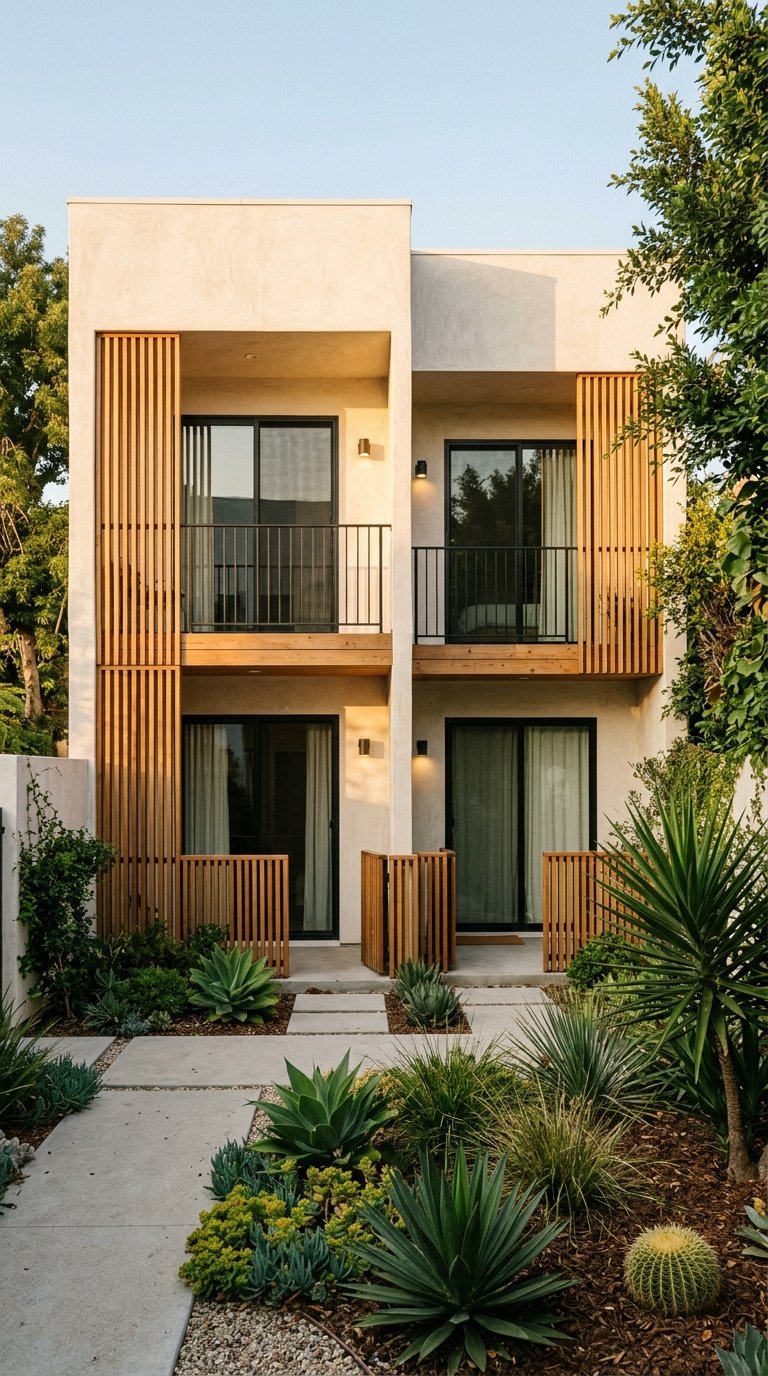
If you have been thinking about buying your first rental property, Lomita deserves a closer look. This small South Bay city offers a mix of single-family homes, condos, townhomes, and apartments, which gives you more than one way to enter the market. If you want to understand what makes sense for your budget, your goals, and your comfort level as a first-time investor, this guide will help you sort through the basics. Let’s dive in.
Lomita is an established South Bay city about 26 miles south of downtown Los Angeles. It is bordered by Torrance, Los Angeles, Rolling Hills Estates, and Rancho Palos Verdes, and it is almost fully built out with limited vacant land. That matters because investment opportunities here usually come from existing homes and small income properties, not from large-scale new development.
The local housing picture also gives useful context. Census QuickFacts show Lomita has a population of 19,841, an owner-occupied housing rate of 45.9%, a median owner-occupied home value of $831,500, a median household income of $93,810, and a median gross rent of $1,961. Recent Redfin data places the median sale price at $830,000, with homes averaging 108 days on market in a somewhat competitive environment.
For a first-time investor, that points to a market where careful buying matters more than chasing hype. Lomita tends to fit a hold-oriented strategy, where you focus on buying a property with practical income potential, realistic improvement options, and solid long-term usability.
The right first investment property usually depends on three things: your budget, your risk tolerance, and how involved you want to be after closing. In Lomita, a few property types stand out.
A single-family home can be appealing if you want flexibility. You may have the option to improve the main house, add rental value over time, or explore an accessory dwelling unit strategy where the property supports it.
Lomita’s planning division specifically identifies additions, new single-family homes, accessory dwelling units, and two-unit housing development as staff-level pre-review items when the work is by-right. That makes homes with value-add potential a realistic option for buyers who want to create future income rather than rely only on the property’s current setup.
If you want a simpler entry point, a condo or townhome may be easier to manage. Recent Lomita inventory has included both product types, which means lower-maintenance options are part of the local market mix.
This path can make sense if you are focused on getting started without taking on a major renovation right away. In many cases, the tradeoff is lower day-to-day maintenance compared with a house, but less flexibility for adding units or creating major value through expansion.
Lomita’s housing stock includes apartments along with single-family homes and condos, so duplexes and other small income properties are not unusual in the city. For some buyers, that makes a small multifamily property a strong first investment because it offers more than one income stream.
The upside is often stronger income potential than a single-unit rental. The tradeoff is that management, maintenance, and underwriting are usually more complex, especially if you are balancing multiple tenants, unit conditions, and future repair costs.
If you like the idea of generating supplemental income without buying a larger building, an ADU or JADU strategy may be worth considering. Lomita’s ADU guidance allows for multiple ADU and JADU configurations on single-family and multifamily lots.
That said, the details matter. The city notes that ADUs cannot be sold separately from the main property, may be subject to owner-occupancy conditions where state law allows, and cannot be used as short-term rentals or rented for fewer than 30 days. In other words, this is better viewed as a long-term rental play, not a vacation-rental shortcut.
A property is not a good investment just because it looks rentable. Your real job is to figure out whether the numbers still make sense after you account for the costs of owning it.
At a basic level, you should compare projected rent with:
This step is especially important in a market like Lomita, where prices are relatively high compared with median gross rent figures. If you skip real-world expenses, it is easy to overestimate cash flow.
The IRS states that rental income must be reported and that associated expenses are generally deductible. Its rental-property guidance also covers depreciation and reporting requirements.
For you as a buyer, the takeaway is simple: keep your analysis grounded in what the property will actually cost to operate. A deal that looks fine on the surface can feel very different once you include repairs, turnover periods, and routine upkeep.
Investors often use cap rate as a shorthand metric to compare opportunities. Federal lending guidance references cap rates and stabilized income as tools for estimating property income and value, which helps explain why cap rate remains a common screening method.
Still, cap rate is only a starting point. It can help you compare one property against another, but it does not replace a full review of condition, location, permit history, renovation needs, and local rent restrictions.
In a first investment purchase, mistakes usually come from rushed assumptions. Before you buy in Lomita, there are a few local and state-level issues you should review carefully.
California’s Tenant Protection Act, AB 1482, caps annual rent increases for many residential units at 5% plus inflation or 10%, whichever is lower. It also creates statewide just-cause eviction protections after a tenant has occupied the unit for 12 months.
There are important exemptions, including some single-family homes, newer units, and some owner-occupied duplex situations. Because coverage depends on the specific property, you should verify whether your target asset falls under these rules before you build your income projections.
If your plan depends on adding an ADU or renting an existing one, confirm the rules early. Lomita clearly states that ADUs cannot be rented for fewer than 30 days, which can affect your strategy if you were hoping for short-term rental income.
You should also confirm whether any owner-occupancy conditions apply and whether the site can support the type of ADU or JADU you have in mind. This is one of the most important areas where local planning review can shape the numbers.
For renovations, conversions, or additions, permit history matters. Lomita’s planning division notes that by-right projects such as additions, new single-family homes, ADUs, and two-unit housing development go through staff-level pre-review, and approved work still requires building and safety permits and inspections.
That means you should review what was legally built, what may have been modified over time, and whether the property’s current use matches city records. A missing permit or unclear unit status can change both your budget and your timeline.
Lomita is not a market where you should expect easy land plays or quick speculative wins. Because the city is small and nearly fully developed, most opportunities are tied to existing housing stock and thoughtful repositioning.
That is not a negative. In many ways, it creates a more practical investment environment for buyers who want to focus on long-term ownership, gradual improvements, and steady decision-making.
A simple way to think about the tradeoffs is this:
| Property Type | Potential Advantage | Common Tradeoff |
|---|---|---|
| Condo or Townhome | Lower-maintenance entry point | Less flexibility for expansion |
| Single-Family Home | More control and possible ADU upside | Higher upfront cost and more maintenance |
| Duplex or Small Multifamily | Multiple income streams | More management complexity |
| Home with ADU/JADU Plan | Added long-term rental potential | Requires rule review, permits, and budgeting |
If you are just getting started, the best choice is often the one you can understand, afford, and manage with confidence. A simpler property that performs predictably can be a better first step than a more ambitious purchase that stretches your budget or your experience.
Before you start touring properties, it helps to define what success looks like for you. Are you trying to keep management simple, create supplemental income, or buy something with future value-add potential?
Once that is clear, focus your search around a few practical filters:
This kind of upfront clarity can save you time and help you avoid chasing properties that look exciting but do not fit your actual plan.
Investment property decisions are deeply local, especially in a city like Lomita where housing stock, permit status, and property setup can vary widely from one opportunity to the next. The numbers matter, but so does knowing what questions to ask before you commit.
If you are exploring your first investment property in Lomita and want a grounded, local perspective on what to look for, connect with Gary Krill Jr. for practical guidance on South Bay opportunities.
Browse active listings in the area or contact us for off-market listings.
Have an expert help you find out what your home is really worth.
Gary has a true passion for the real estate business and prides himself on staying up to date on current market conditions, latest real estate trends, and innovation that can help him and his clients to be more successful when working together.