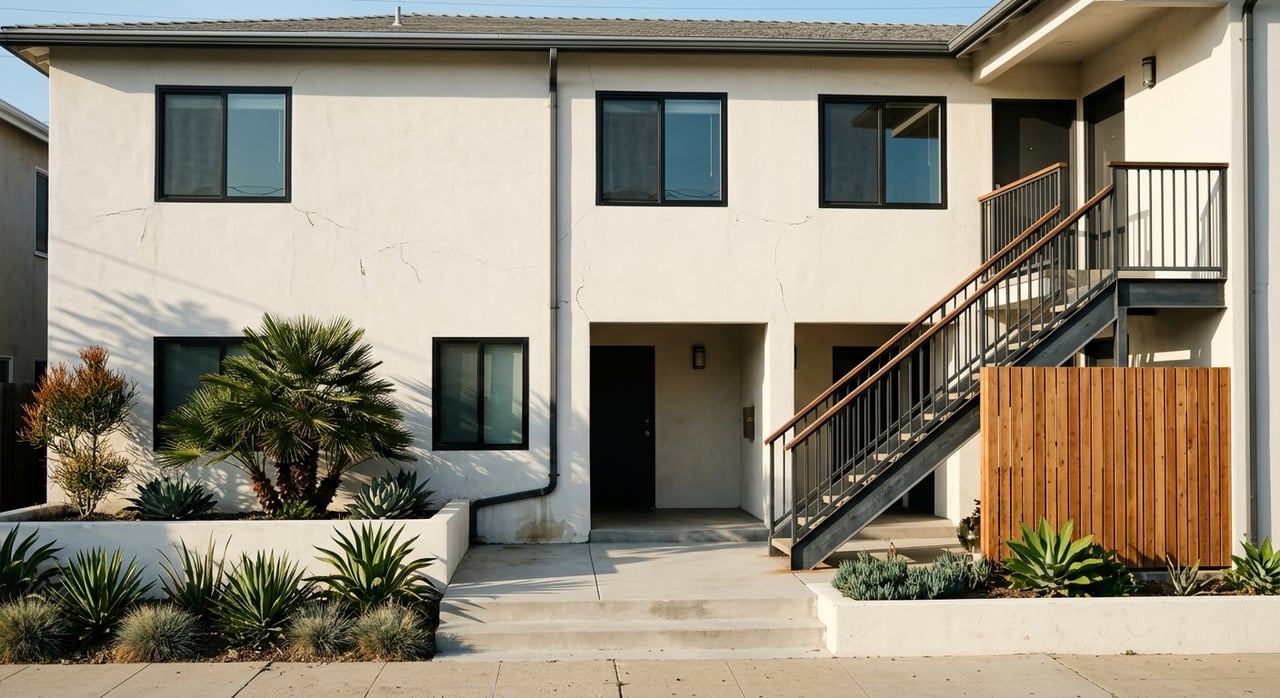
Wondering whether to sell your San Pedro duplex or triplex with tenants in place, deliver a unit vacant, or market it purely as an income property? That choice can affect pricing, timing, buyer interest, and your legal steps along the way. If you own a small multi-unit property in San Pedro, the smartest sale usually starts with clear records, verified rent-law status, and a marketing plan built around facts, not guesses. Let’s dive in.
Before you talk price, future rent potential, or vacancy, confirm which rules apply to your property. In Los Angeles, a duplex or triplex built on or before October 1, 1978 may be covered by the Rent Stabilization Ordinance, and owners should verify status through the city lookup rather than assume the building is exempt.
That matters because buyers will look closely at rent caps, tenant protections, and possession limits. For RSO units, the City of Los Angeles says the annual rent increase is 3% from July 1, 2025 through June 30, 2027, and separate utility or dependent-based percentage add-ons are no longer allowed as of February 2, 2026, according to LAHD renter protections guidance.
Even if your property is not under RSO, state law may still apply. The California Attorney General explains that the Tenant Protection Act generally covers most rental housing more than 15 years old and includes just-cause eviction protections for most tenants after 12 months of occupancy.
Some owners assume a duplex should be treated like a single-family home. In practice, that can be risky. The California Attorney General notes that some owner-occupied duplexes may qualify for a narrow TPA exemption, but you still need to confirm whether Los Angeles city rules are more protective before describing the property as exempt.
For a sale, that means your first step is not marketing. It is confirming the legal framework so you can present rents, occupancy, and timing accurately.
Many San Pedro owners ask if they should try to deliver one or more units vacant before closing. Sometimes that can help, but only if the path is lawful and realistic.
For RSO properties, LAHD identifies specific no-fault situations such as owner or family move-in, resident-manager occupancy, demolition or permanent removal from the rental market, government order, and conversion to affordable housing. LAHD also states that RSO termination notices must be filed within three business days of service.
A vacant unit can attract buyers who want flexibility, but there is no one-size-fits-all answer. In many cases, a well-documented occupied property with stable income is more appealing than a messy vacancy plan that creates legal risk or delays escrow.
If your likely buyer is an investor, stable tenancy and clean paperwork may matter more than vacancy. If your likely buyer wants to live in one unit, lawful possession timing becomes more important.
The key is to match your sale strategy to the actual buyer pool, not to a generic assumption about what always sells best.
Occupied duplexes and triplexes can sell well, but showing access needs structure. Under California Civil Code 1954, a landlord may enter to show a unit to prospective buyers with reasonable notice, usually during normal business hours, and not in a way that harasses the tenant.
The statute says 24 hours is presumed reasonable written notice. It also allows oral notice for showings if the tenant was told in writing within the prior 120 days that the property is for sale.
That is why predictable access windows tend to work better than constant one-off requests. When you create a showing plan, give clear notice, and keep records, the process is smoother for everyone.
Lawful entry rules still apply even when a sale is pending. The Attorney General notes that refusal to allow lawful entry can become an at-fault issue, so repeated access problems may turn into more than a scheduling headache.
In practice, the best approach is simple:
If you want strong offers on a duplex or triplex, your paperwork matters almost as much as the property itself. For small income properties, buyers and lenders usually focus first on the rent roll, income and expense history, lease details, deposits, and whether the reported occupancy matches what they see on site.
Freddie Mac’s multifamily guidance treats a current rent roll and annual income and expense statement as standard source documents. It also expects current operating information and security-deposit accounting as part of the review process.
Fannie Mae’s fraud-prevention guidance flags altered financials, missing tenant details, mismatches between inspections and rent rolls, and inconsistent marketing materials as red flags. That means accuracy is not just helpful. It protects your credibility.
A strong seller packet often includes:
If your property is subject to RSO, LAHD also requires owners to post notice that the property is subject to the ordinance and provide the annual registration certificate to tenants, as outlined on the LAHD RSO overview page.
One of the biggest mistakes in small multifamily sales is relying on a pro forma that ignores local rent limits. Under-market rents only create upside if a buyer can legally reach higher numbers.
In Los Angeles, that depends on actual RSO or TPA coverage. That is why a believable rent story is more persuasive than a spreadsheet built on aggressive assumptions.
Buyers today are also sensitive to financing costs. According to Freddie Mac’s 2025 multifamily outlook, origination volume is expected to rise but remain below the 2021 to 2022 highs, with interest rates, deferred transactions, and cap-rate stabilization still shaping the market.
The broader Los Angeles rental market remains relatively tight. CBRE reported a 95.2% occupancy rate for the Los Angeles multifamily market at the end of Q4 2025.
That is a metro-level signal, not a San Pedro comparable sale, but it helps explain why well-documented small income properties can still draw investor attention. Buyers are active, but they are more selective, more rate-sensitive, and more focused on documentation than they were in easier financing cycles.
Good marketing helps a duplex or triplex sell, but only when it reduces uncertainty instead of covering it up. Professional photography, thoughtful staging in vacant areas, and light cosmetic improvements can strengthen presentation when they accurately reflect the asset.
That is especially important for income properties. Fannie Mae warns against inconsistent photos, staged units that do not match the rent roll, unsupported claims about improvements, and refusal to allow inspections.
Your listing package should line up with what a buyer sees in person and in the paperwork. If a unit has been updated, have the permit or repair records ready when possible. If a unit is older but stable, present it clearly rather than overselling it.
For San Pedro sellers, the most persuasive story is usually straightforward: stable income, clean records, and a property that has been responsibly managed.
Disclosures are often where deals either stay on track or start to wobble. For one-to-four residential dwelling units in California, sellers generally need to deliver a Real Estate Transfer Disclosure Statement, and brokers are expected to conduct a reasonably diligent visual inspection and disclose material facts affecting value or desirability.
Typical disclosure topics can include structural issues, drainage or flood concerns, zoning matters, permit issues, nuisance conditions, lawsuits, and known earthquake-zone matters. If you know about a problem, it is better to surface it early than let it derail negotiations later.
If your duplex or triplex was built before 1978, federal lead disclosure rules apply. The EPA explains that sellers, landlords, agents, and property managers must disclose known lead-based paint information, provide the EPA/HUD pamphlet, and share available records or reports.
For multi-unit properties, that can include common areas and other units when records exist. If your building has older remodels or prior environmental reports, gathering those documents upfront can help prevent late-stage delays.
San Pedro duplexes and triplexes are not all the same. Some are long-held family properties with legacy rents. Others are partly updated and marketed to small investors looking for stable income. The best sales plan depends on your unit mix, tenant situation, documentation, building age, and likely buyer pool.
That is where a local, hands-on strategy can make a real difference. From presentation and professional photography to a clean listing package and thoughtful buyer targeting, the goal is to reduce uncertainty and strengthen your negotiating position.
If you are thinking about selling a duplex or triplex in San Pedro, Gary Krill Jr. can help you build a smart plan around your property’s rents, records, presentation, and timing.
Browse active listings in the area or contact us for off-market listings.
Have an expert help you find out what your home is really worth.
Gary has a true passion for the real estate business and prides himself on staying up to date on current market conditions, latest real estate trends, and innovation that can help him and his clients to be more successful when working together.