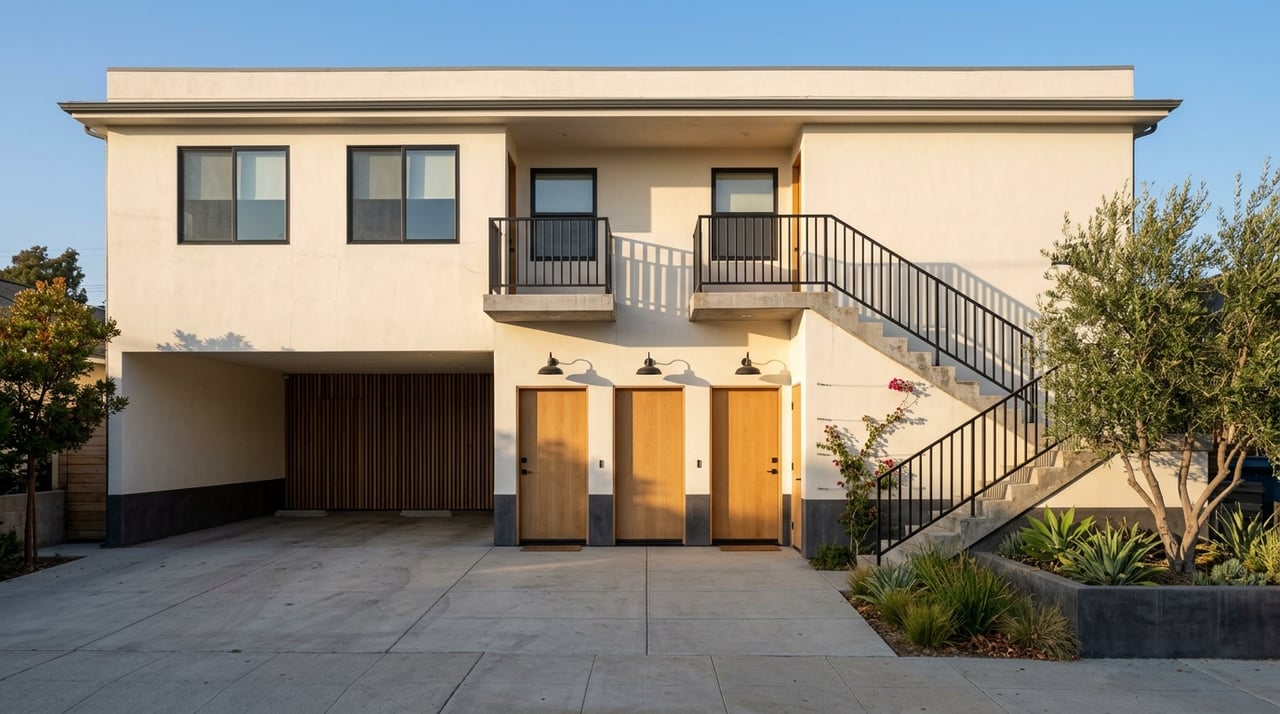
Thinking about buying or selling a duplex, triplex, or fourplex in Wilmington? You are not alone. In a community with a renter-heavy housing mix and a large share of older properties, small multi-unit buildings can offer real opportunity, but only if you look past the headline price and study the details that drive long-term performance. This guide walks you through what matters most in Wilmington, from legal unit count and zoning checks to rent records, operating numbers, and seller prep. Let’s dive in.
Wilmington has several traits that make it worth a closer look for small multi-unit investors. According to the Wilmington-Harbor City Community Plan Area demographic profile, the area has 24,167 dwelling units, 61.3% renter occupancy, and 56.2% of units in multiple-housing structures.
That matters because a renter-heavy market often supports consistent demand for smaller income properties. The same City Planning profile also shows that roughly 70% of the housing stock was built before 1980, which means older duplexes, triplexes, and fourplexes are a meaningful part of the local inventory.
Wilmington also sits within the Wilmington-Harbor City Community Plan Area near the Port of Los Angeles. As the Harbor LA planning update continues, parcel-level review becomes even more important for anyone evaluating an investment property.
For most practical investor conversations in Wilmington, “small multi-unit” usually means a 2 to 4 unit property. Fannie Mae classifies two-to-four-unit properties as multi-dwelling units, which makes that a useful baseline for buyers, sellers, and lenders.
In the field, though, labels can be misleading. A property may be marketed as an income property, a bungalow-style setup, or a house with back units, but the real questions are the legal unit count, unit mix, and physical layout.
That is why you should focus less on marketing language and more on the facts tied to the parcel. In Wilmington, older properties can have additions, conversions, or configurations that need closer review before you rely on projected income.
One of the biggest mistakes investors make is assuming the existing setup is fully legal because it has been occupied that way for years. In Los Angeles, that is not a safe assumption.
The City points buyers and owners to ZIMAS for parcel-level zoning designations, planning applications, permit history, and common overlays. City Planning materials also flag the importance of checking whether a property has citations or orders to comply.
Before you get too far into underwriting, verify key basics such as:
This step can help you avoid overpaying for space or income that may not be recognized the way you expect.
Small multi-unit investing is not just about collecting rent. It is about understanding whether the building performs on paper and whether that performance can hold up under lender and buyer scrutiny.
Agency-style underwriting typically centers on current rent rolls, income and expense statements, appraisals, and lease audits. Freddie Mac’s multifamily guidance calls for a current rent roll and a certified annual income-and-expense statement, while Fannie Mae guidance uses lease audits to help validate rent rolls and operating statements.
For buyers in Wilmington, that means a clean file is a major advantage. For sellers, it means better documentation can help support value and reduce friction during due diligence.
A few core metrics come up in nearly every small multi-unit deal:
These are not just lender terms. They help you test whether a property’s income supports the price, financing, and risk level you are taking on.
According to Freddie Mac’s 2025 multifamily outlook, cap rates flattened, interest rates stayed elevated and volatile, and vacancy pressure kept rent growth muted.
For a Wilmington investor, the takeaway is simple. In a market where financing costs and rent growth assumptions can be less forgiving, clean operating data and realistic projections matter even more.
A rent roll should tell a clear story. If it does not, buyers, lenders, and appraisers will notice.
You want to confirm current rents, lease terms, deposits, occupancy, and whether the rent roll matches the income statements and leases in the file. Fannie Mae guidance notes that missing tenant details or inconsistencies between rent rolls and operating statements are red flags.
When you review a Wilmington property, pay close attention to:
A property with average rents but strong documentation may be easier to finance and value than a property with aggressive numbers that cannot be supported.
Rent regulations can directly affect your income assumptions, value opinion, and business plan. In Los Angeles, this is not an area to gloss over.
The Los Angeles Housing Department states on its renter protections page that the current annual RSO rent increase is 3%. LAHD also notes a formula update effective February 2, 2026, under which future allowable RSO increases will range from 1% to 4% depending on CPI.
LAHD also states that units built after October 1, 1978 and not already covered by the RSO fall under the City’s Just Cause Ordinance. In addition, the California Attorney General notes that the state Tenant Protection Act caps most covered increases at the lower of 5% plus CPI or 10% over a 12-month period, though stronger local rules control where they apply.
The practical point is this: do not underwrite future rent growth based on guesswork. Match your assumptions to the property’s actual status and the rules that apply.
If you plan to sell a Wilmington duplex, triplex, or fourplex, preparation can directly affect buyer confidence. The cleaner the package, the easier it is for a buyer to evaluate income, financing, and risk.
A practical seller file should include:
That approach lines up with agency underwriting expectations and helps buyers move faster. It also gives your broker stronger material for marketing, buyer screening, and value support.
LAHD’s Rent Registry page states that landlords must report the rent amount for every rental unit by the last day of February each year, and registration is complete only when fees and tenancy information are submitted.
LAHD also states that if an owner lives in one unit and rents the remaining units, the Rent Registry form is still required. The same page notes that the Notice of Renters’ Protections is required for tenancies that begin or renew on or after January 27, 2023.
For sellers, this is another reason to organize records before going to market. Missing registry or tenancy documents can slow down due diligence and raise avoidable questions.
If you are evaluating a Wilmington small multi-unit property, keep your process simple and disciplined.
This kind of discipline can help you avoid common problems, especially with older properties where the physical setup and paper trail may not fully match.
If you own a 2 to 4 unit property in Wilmington, your marketing strategy should do more than put the listing online. It should answer investor questions before they become objections.
That means presenting the property with a complete income story, organized records, and a clear explanation of the unit mix and operating history. It also means identifying issues early, whether that is a permit question, a missing lease renewal, or a rent registry item that needs to be addressed.
For owners who want a more polished sale process, strong representation can help frame the asset correctly, prepare the file, and market it to the right audience. That is especially important in a data-driven segment where buyers often compare several properties side by side.
Whether you are buying your first duplex or preparing to sell a long-held fourplex, Wilmington rewards careful analysis. If you want local guidance on pricing, positioning, and preparing a small multi-unit property for market, connect with Gary Krill Jr. for a practical conversation about your next step.
Browse active listings in the area or contact us for off-market listings.
Have an expert help you find out what your home is really worth.
Gary has a true passion for the real estate business and prides himself on staying up to date on current market conditions, latest real estate trends, and innovation that can help him and his clients to be more successful when working together.